After a long flight, a beach day, or an active excursion around Cancun, your body may be asking for a slower pace. The Swedish massage meaning is simple: it is a calming, full-body massage style designed to ease everyday tension, encourage deep relaxation, and leave you feeling refreshed rather than intensely worked over.
For many guests, Swedish massage is the right place to start when they want professional care without the stronger pressure often associated with deep tissue or sports massage. It is also a thoughtful choice for couples, first-time spa guests, and Cancun residents who want regular time to reset.
What Does Swedish Massage Mean?
Swedish massage is a classic massage approach that uses smooth, flowing strokes and gentle to moderate pressure. The therapist works across larger areas of the body, often including the back, shoulders, arms, legs, hands, and feet, while adjusting the session around your comfort level and goals.
The experience is meant to feel soothing, not overwhelming. Pressure can be tailored to your preference, but Swedish massage generally focuses on relaxation and overall comfort instead of targeting one deeply tight area for extended, firm work.
The word “Swedish” can make it sound very specific or formal, but the experience is wonderfully straightforward. You can expect unhurried touch, a peaceful setting, and a session shaped around how you want to feel when you leave: lighter, calmer, and more at ease.
Swedish Massage Techniques You May Feel
A Swedish massage combines several traditional techniques. You do not need to know their names before booking, but understanding them can help you picture the session.
Long gliding strokes are often used at the beginning and end of the massage to help the body settle into a relaxed rhythm. Gentle kneading may be used around areas that commonly hold daily tension, such as the shoulders, upper back, calves, and hands. The therapist may also use small circular movements or light rhythmic tapping, depending on what feels comfortable and appropriate for your session.
These movements are not performed the same way for every guest. Someone arriving after travel may appreciate extra time around the neck, shoulders, and legs. A local resident booking a regular self-care appointment may prefer a balanced full-body massage. A couple sharing a spa experience may simply want quiet time to relax together. Personalized care matters more than following a rigid routine.
What Swedish Massage Feels Like
Most people describe Swedish massage as calming, warm, and restorative. The pressure should never feel like something you have to endure. You may notice areas of tightness at first, especially if you have been carrying bags, sitting on a plane, walking for hours, or spending time at a desk. As the session continues, those areas often begin to feel less guarded.
Relaxation looks different for everyone. Some guests chat briefly with their therapist, while others prefer silence from the start. Some feel sleepy during the massage, and others simply enjoy having a full hour where they do not need to make decisions or rush anywhere. Both responses are completely normal.
A professional therapist will check in about pressure and comfort. Speak up if you would like lighter pressure, more attention to a particular area, or a change in positioning. Clear communication helps make the experience feel personal from beginning to end.
Swedish Massage vs. Deep Tissue Massage
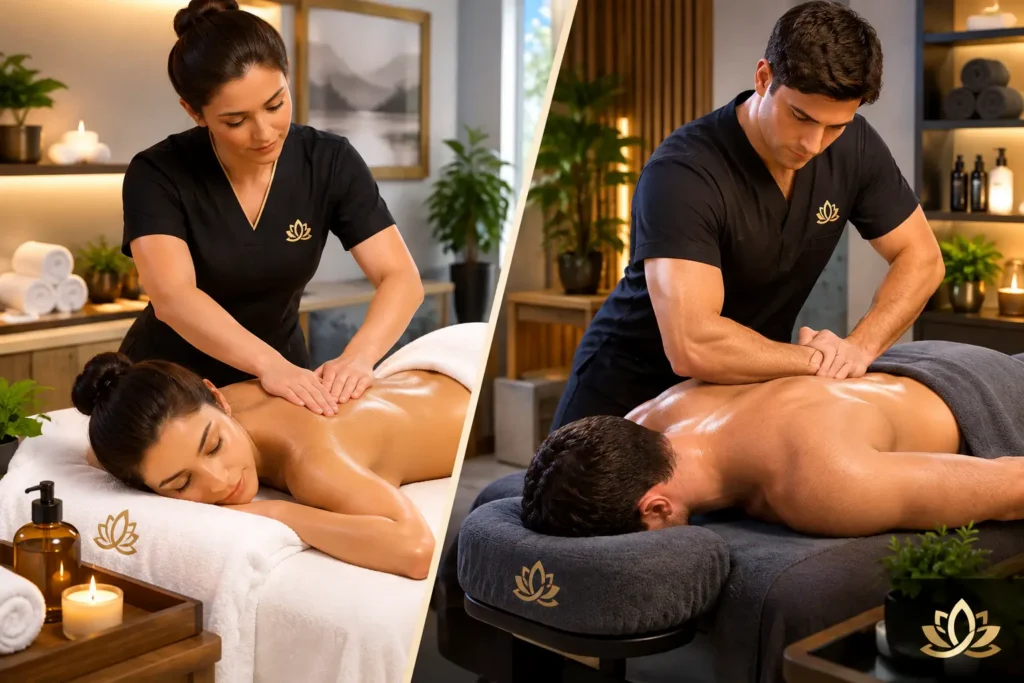
The main difference is pressure and intention. Swedish massage typically uses lighter to medium pressure with an emphasis on broad relaxation. Deep tissue massage generally uses slower, firmer work for guests who specifically want more concentrated pressure in tight muscle areas.
Neither style is automatically better. It depends on how your body feels and what kind of experience you want. If you are tired, stressed, new to massage, or simply craving a quiet escape during your Cancun stay, Swedish massage is often the more comfortable choice. If you prefer firmer pressure, tell your therapist before the session so the service can be tailored accordingly.
There is also room between the two. Some guests enjoy a Swedish-style session with moderate pressure in the shoulders or back. Others want mostly gentle work with a little extra attention on the legs after an active day. Your appointment does not have to fit into an all-or-nothing category.
What to Expect at Your Appointment
Your session begins with a brief conversation about your preferences. Let your therapist know whether you prefer gentle, medium, or firmer pressure, which areas you would like emphasized, and whether there are any areas you would rather avoid. This is also the right time to mention if you are booking as a couple or selecting an at-home massage appointment when available.
During the massage, you will be appropriately draped for comfort and privacy. Only the area being worked on is uncovered. Soft music, a calm environment, and professional attention to detail help create the restful atmosphere many guests want after a busy day in Cancun.
You do not need to prepare in a complicated way. Arrive a few minutes early when possible, wear comfortable clothing, and avoid scheduling your massage when you know you will need to sprint to another reservation. Giving yourself even a little quiet time afterward can make the experience feel more complete.
Afterward, you may feel deeply relaxed and ready for a nap, a leisurely meal, or a peaceful evening. Drink water, move gently, and let the unhurried feeling stay with you. A massage is not something to rush through just because your schedule is full.
Is Swedish Massage Right for You?
Swedish massage is a welcoming option for a wide range of adults. It works especially well for first-time massage guests, travelers recovering from the pace of a trip, couples planning a shared spa moment, and residents looking to make relaxation part of a regular routine.
It may be less suitable if you are specifically seeking very firm, focused pressure. In that case, a deep tissue or sports massage may be a better fit. The best choice is the one that matches your comfort level, energy, and goals for the day.
If you are unsure, start with Swedish massage and explain what you need. A personalized session can be adjusted so it feels neither too light nor too intense. There is no prize for choosing the strongest pressure. The goal is to leave feeling cared for.
Make Time for a Calmer Cancun Experience
A Swedish massage can turn a busy travel day or a demanding week into a moment that feels entirely your own. At Matrix Spa & Massage Cancun, each appointment is approached with attentive, professional care so your massage reflects what relaxation means to you.
Whether you are visiting Cancun for a few days, celebrating time together, or looking for a dependable wellness ritual close to home, book an appointment that gives your body permission to slow down. A calmer afternoon can be the part of your trip or week you remember most.
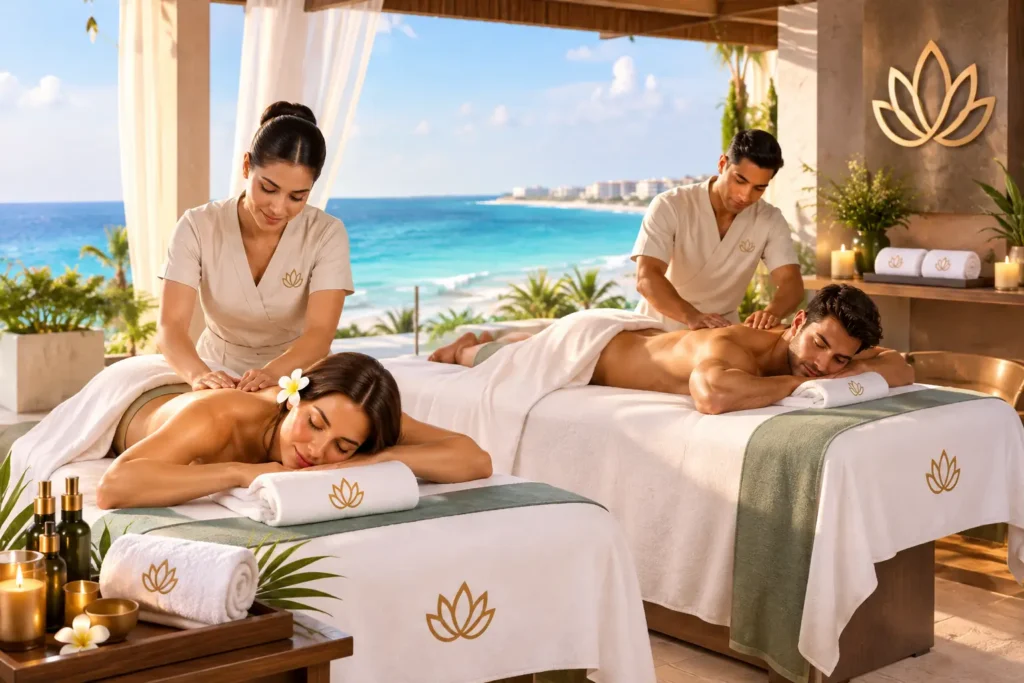
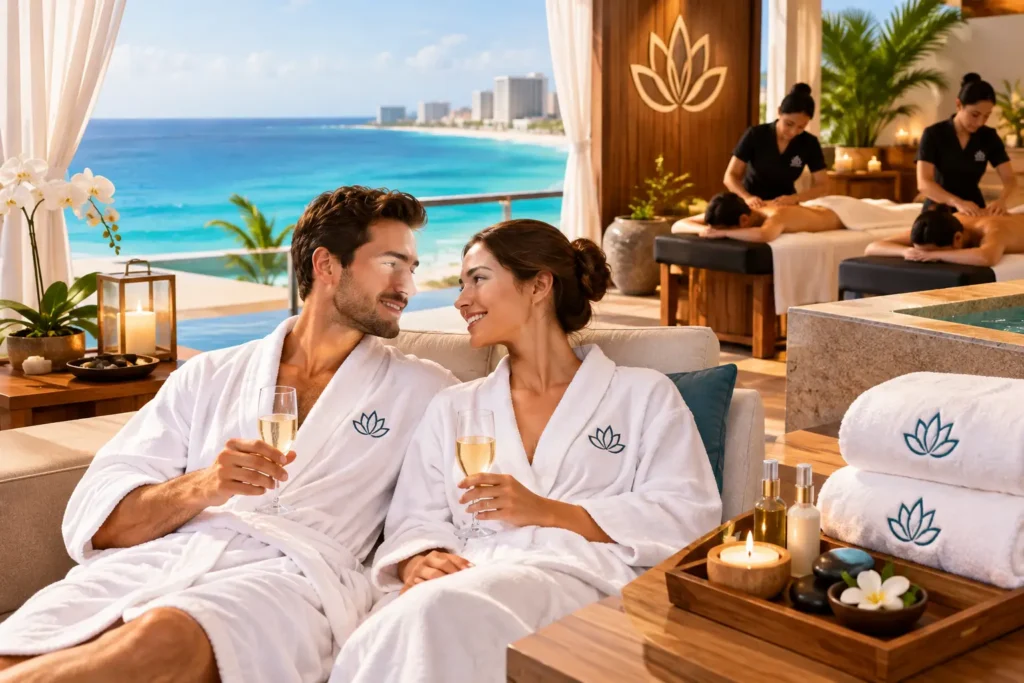
After a flight, a day at the beach, or one too many hours walking through Cancun, couples often want the same thing: a quiet moment where nobody needs to make another plan. A couples massage creates that pause. You share the experience and the setting, while each person receives care tailored to how their own body feels.
It is a simple way to turn part of your Cancun stay into time that actually feels restorative. For local residents, it can be an equally welcome reset after a demanding week. The best appointments are not about checking a spa activity off a list. They are about leaving with less tension, a calmer pace, and a little more room to enjoy each other.
What a Couples Massage Is Really Like
A couples massage is a side-by-side massage appointment for two people, typically in the same private, relaxing space. Each guest has their own therapist, which means the treatment does not have to be identical. One partner may prefer a gentle Swedish massage focused on relaxation, while the other may choose deeper pressure for areas that feel tight after travel, workouts, or activities.
Before the session begins, your therapists should ask about pressure preferences, comfort, and the areas you would like them to focus on. This conversation matters. A great shared massage experience is not built around a one-size-fits-all routine. It is built around thoughtful attention to both guests.
You can speak up at any point if the pressure feels too light, too firm, or if you simply want more attention on your shoulders, back, legs, or feet. Professional massage should feel comfortable and personalized from start to finish.
Why Couples Choose Massage in Cancun
Cancun is made for memorable experiences, but travel can be surprisingly tiring. Long flights, airport time, warm weather, sightseeing, swimming, and late dinners can leave you feeling more worn out than expected. Scheduling a massage early in the trip can help you settle into vacation mode. Booking near the end gives you a peaceful way to slow down before heading home.
For honeymooners and couples celebrating an anniversary, the appeal is often the shared sense of occasion. You do not need a packed itinerary to create a meaningful moment together. An hour or more set aside for calm, attentive care can feel more personal than another reservation or excursion.
For Cancun residents, a couples appointment can be a practical kind of quality time. It gives both people permission to put phones away, step out of the usual routine, and prioritize feeling better without having to plan an entire day around it.
Shared time, personalized treatment
The strongest part of a couples massage is the balance between togetherness and individual care. You arrive together, relax in the same setting, and finish with a shared sense of calm. But your treatment can still reflect what you need personally.
That distinction is useful when partners have different preferences. If one person enjoys slow, flowing Swedish massage strokes and the other prefers more focused deep tissue work, both can receive an experience that suits them. There is no need to compromise your comfort just because you are booking together.
Choosing the Right Style for Both of You
There is no single “best” massage for every couple. The right choice depends on why you are booking, how you feel that day, and what level of pressure each person enjoys.
A Swedish massage is often a natural fit for couples seeking gentle relaxation. Its flowing style is designed to help you settle in, making it a good option after travel or when the goal is simply to relax together. Deep tissue massage may be preferred by guests who want firmer, more targeted work on areas of everyday muscular tightness. If you have been active during your stay, sports massage can be a good conversation to have when booking.
Hot stone massage adds warmth and a slower, comforting quality to the session. Reflexology can be especially appealing for guests who have spent long days on their feet. Cupping and personalized bodywork may also be available when a more specific approach is preferred.
The trade-off is straightforward: deeper pressure is not automatically better, and the most elaborate treatment is not always the most relaxing. If your main goal is a peaceful shared experience, choose the style that allows both of you to fully unwind. If one person is unsure, a customized approach is often the better place to start.
When to Book Your Appointment
Timing can shape the experience more than people expect. A couples massage on your first or second day in Cancun can help you shift from travel mode into vacation mode. You may feel more comfortable enjoying the rest of your plans when you have already taken time to rest.
An appointment after an excursion, an active day, or several hours in the sun can also be a welcome break. Just remember to drink water, allow time to cool down, and avoid rushing straight from a demanding activity into your session. Give yourselves a little breathing room beforehand.
Evening appointments work well for couples who want to transition from a busy day into a relaxed dinner or a quiet night. Morning appointments can be ideal if you prefer to start the day feeling calm rather than trying to fit relaxation around everything else. It depends on your schedule, but avoiding a tightly packed window is always wise.
How to Make the Experience Feel More Special
The most enjoyable couples appointments are usually the least rushed. Arrive with enough time to settle in, silence your phones, and let your therapists know what you want from the session. That might be pure relaxation, focused attention on tired muscles, or a blend of both.
Choose a duration that gives you time to actually relax. A shorter session can be refreshing, especially when your schedule is full. A longer appointment may be worth considering when massage is the centerpiece of your day, when you have both been traveling, or when you want more time for unhurried personalized work.
You can also pair your massage with a facial, body treatment, or spa package if you want to extend the experience. The key is to select additions because they sound enjoyable to you, not because you feel you need to fill every minute. Sometimes a well-chosen massage and a calm moment afterward are exactly enough.
What to Expect From Professional Care
Comfort and trust should come first. A professional spa will provide a clean, welcoming environment, experienced therapists, and a clear opportunity to communicate your preferences. You should never feel pressured to tolerate uncomfortable pressure or a technique that does not feel right for you.
At Matrix Spa & Massage Cancun, couples can book an appointment designed around their preferences, whether that means relaxation-focused Swedish massage, deeper personalized bodywork, or a combination that suits each guest. Spa appointments are a convenient option for visitors and locals, and at-home massage services may be available for couples who prefer to relax in their own space.
When making your appointment, share the treatment styles you are considering, your preferred date and time, and whether either person has a specific focus area. This helps the team prepare a more thoughtful experience from the moment you arrive.
A Simple Reason to Make Time for It
A couples massage is not about doing more. It is about choosing one part of your day to slow down together. In a place as energetic as Cancun, that quiet hour can become the part of the trip you both remember most clearly.
Book an appointment when you are ready to trade a little schedule time for genuine relaxation. Leave space afterward for a slow meal, a walk, or no plan at all – the calm does not have to end when the massage does.
A great Cancun date does not need another packed excursion. A thoughtfully planned couples spa itinerary gives you time to slow down, reconnect, and leave feeling genuinely cared for rather than rushed to the next reservation. The difference is in the pacing: choose treatments you will both enjoy, leave room to relax afterward, and avoid trying to fit a full spa day between a late breakfast and dinner.
Whether you are visiting for a honeymoon, celebrating an anniversary, or simply taking a well-earned break together, a spa appointment can become the calmest part of your Cancun stay. Here is how to plan it well.
Build Your Couples Spa Itinerary Around Your Energy
Start by deciding what you both need most from the day. If you have just arrived in Cancun, a Swedish massage or personalized bodywork can be a comfortable way to settle in after travel. If you have spent the previous day walking, swimming, golfing, or enjoying a long excursion, one partner may prefer deeper pressure while the other chooses a more relaxing massage. A couples appointment does not mean both treatments need to be identical.
That flexibility matters. The best shared spa experience is one where each person feels considered. Discuss pressure preferences, areas that feel tight from travel or activity, and whether you want to include a facial, hot stone massage, reflexology, cupping, or a body treatment. A professional therapist can help tailor the session within the treatment time you select.
Morning appointments work well for couples who want the rest of the day open for the beach, a pool, or a relaxed lunch. Late afternoon appointments are ideal when you want to release the day’s tension before dinner. Try not to schedule a demanding activity immediately after your treatment. You will enjoy the results more when the day has nowhere urgent to go.
A Simple Couples Spa Itinerary That Feels Unhurried
For most couples, plan for about three hours from arrival to your next commitment, even if your massage itself lasts 60 or 90 minutes. This gives you room to arrive calmly, discuss preferences, enjoy your treatment, and ease back into the day.
Start with a light meal and water
Have a light breakfast or lunch before your appointment instead of arriving overly hungry or uncomfortably full. Drink water throughout the day, especially after time in the Cancun sun. Skip a heavy meal immediately before a massage, and keep alcohol for later in the evening if you are planning a dinner celebration.
Wear comfortable clothing that is easy to change out of and back into. The goal is simple: nothing should make either of you feel rushed, restricted, or distracted.
Choose a treatment length that matches the occasion
A 60-minute couples massage is a strong choice when the spa visit is one part of a full vacation day. It gives both of you time to relax and focus on the areas that need attention without taking over the entire schedule.
Choose 90 minutes when the spa experience is the main event. The added time allows for a slower, more complete session, particularly if you want focused work on the back, shoulders, legs, or feet after traveling or being active. It can also be a better fit when one person prefers a deeper massage and needs time for the therapist to work gradually and comfortably.
If you would like to add a facial or body treatment, ask about a spa package or build in additional time. Pairing services can feel especially special for anniversaries and honeymoon days, but it depends on your energy. More treatments are not always better than one excellent, unrushed massage.
Leave space after the appointment
The most overlooked part of a couples spa itinerary is what happens afterward. Do not book a high-energy tour, a shopping sprint, or a complicated reservation for the moment you finish. Instead, keep the next hour open.
Take a quiet walk, sit by the pool, return to your accommodations to rest, or choose an early dinner nearby. You do not need to fill the space with conversation or photos. A shared pause is often what makes the experience feel memorable.
Choose Treatments You Can Enjoy Together
Couples often arrive with different ideas of relaxation. One person may love a light, calming Swedish massage, while the other wants focused deep tissue work after a flight or active day. This is completely normal, and it is why personalized care is more valuable than choosing a one-size-fits-all package.
A Swedish massage is a gentle, restorative option for couples who want to unwind and relax. Deep tissue massage can be a good choice for guests who prefer firmer pressure in areas that feel especially tight. Sports massage may suit active travelers after golf, workouts, long walks, or water activities. Hot stone massage adds comforting warmth, while reflexology can be a wonderful addition for guests whose feet have been working hard throughout the trip.
Facials work well for couples looking for a quieter, more polished spa day. They are a natural choice before a celebration dinner, a special event, or simply when you want to take care of your skin after sun and travel. Body treatments can add another layer of relaxation if you have enough time to enjoy them without turning the day into a checklist.
At Matrix Spa & Massage Cancun, couples can select services based on their individual preferences while sharing an appointment designed around the same relaxed experience. When booking, mention that you are planning a couples visit so the team can help you choose appropriate timing and treatment options.
Plan the Details Before You Arrive
A little preparation makes the appointment feel much more relaxing. Book ahead, particularly during busy travel periods, weekends, and holiday seasons. Appointment availability can change quickly, and a confirmed time lets you build the rest of your day around something you are both looking forward to.
When you call to book, share the occasion if there is one. It may be a honeymoon, birthday, anniversary, or first day in Cancun. You can also mention the massage styles you are considering, your preferred appointment time, and whether either person has a strong pressure preference. Clear communication helps the spa team prepare a more comfortable experience from the start.
Arrive a little early rather than exactly on time. Even ten to fifteen minutes can change the tone of the visit. You will have time to settle in, ask questions, and begin the treatment without feeling like you have carried the stress of traffic or a delayed meal straight onto the massage table.
Be honest with your therapist during the session. If pressure feels too light, too firm, or focused in the wrong area, speak up. Massage should be adjusted to your comfort. This is not being difficult – it is how personalized care works.
Make the Day Feel Like Yours
The most shareable spa days are rarely the ones with the longest list of treatments. They are the days that feel intentional. Maybe you begin with coffee and a slow breakfast, book a 90-minute couples massage in the afternoon, then watch the sunset before dinner. Maybe you schedule a morning facial and massage before a relaxed beach day. Both can be perfect because they match the kind of time you want together.
If you are Cancun residents, treat the appointment as a real date rather than an errand squeezed between responsibilities. Put phones away for a while. Do not schedule the evening too tightly. A regular couples massage can become a simple way to protect time together when life feels busy.
If you are traveling, resist the pressure to do everything. Cancun offers plenty of reasons to stay active, but rest deserves a place on the itinerary too. A well-planned spa appointment helps you enjoy the trip at a more human pace.
Book your appointment with enough breathing room around it, choose treatments that suit each of you, and let the rest of the day stay pleasantly open. Sometimes the best part of a vacation or a date is simply leaving together feeling lighter than when you arrived.
A sunrise run along the beach, a long day of golf, a scuba excursion, or a serious gym session can leave your body asking for a pause. Athlete massage timing matters because the same massage can feel very different depending on whether you book it before an event, after a demanding activity, or on a true rest day. The goal is not simply to fit in a massage when you have an opening. It is to choose a time and pressure level that match what your body needs next.
For active Cancun visitors and local residents, a well-planned sports massage can be part of a more comfortable, enjoyable routine. Think of it as dedicated time to release built-up tension, check in with how your body feels, and reset between the activities you love.
Athlete Massage Timing Starts With Your Schedule
The best time for a massage depends on your training load, your event calendar, and your preference for lighter or firmer bodywork. A focused session can leave some people feeling loose and refreshed right away. Others may prefer a quieter day afterward, especially when choosing deeper pressure. Sharing your plans with your massage therapist makes a real difference.
Before a race, game, or active excursion
If you have a race, tournament, long bike ride, or full excursion planned, schedule a light, energizing massage one to three days beforehand. This is usually not the moment for intense pressure or a long session that leaves you feeling sleepy. Instead, ask for work that supports relaxed movement and overall comfort without taking too much out of you.
The day before an important event can work well for a brief, lighter treatment if you already know how your body responds to massage. If massage is new to you, give yourself more time. Your first session is better scheduled several days before a major activity, when there is no pressure to predict exactly how you will feel afterward.
Right after a demanding activity
After a hard workout or a long day outdoors, the instinct may be to book the deepest massage available immediately. Sometimes, a gentler approach is the better choice. Your body may be tired, warm, dehydrated, and ready to rest. A Swedish-inspired session, light sports massage, or personalized bodywork can help you settle down without adding more intensity to an already demanding day.
Have water, eat a nourishing meal, and give yourself a little time to cool down before your appointment. If you have just finished an endurance event or spent hours in the Cancun sun, comfort and relaxation may serve you better than aggressive pressure. Your therapist can adjust the session around how you feel that day.
Twenty-four to seventy-two hours after training
For many active people, this is a comfortable window for a more focused sports or deep tissue massage. The immediate rush of the event has passed, and you have space to relax afterward rather than heading directly to another demanding activity. It is also a practical time to address the tight areas you notice after repetitive movement, such as shoulders after swimming, calves after walking, or hips after cycling.
There is no universal rule, though. A traveler with a packed vacation itinerary may want a lighter session between activities, while a local who trains regularly may plan deeper bodywork on a day off. Good athlete massage timing is personal, not a rigid formula.
During regular training weeks
When you are following a consistent training routine, a massage every few weeks can be easier to maintain than waiting until tension feels overwhelming. Pick a day that is followed by an easier workout, recovery day, or evening with fewer commitments. This gives you room to enjoy the relaxed feeling that can follow a session.
If you are increasing mileage, adding strength work, or preparing for a special event, consider booking in advance. Appointments are easier to place on your calendar when you see massage as part of your routine rather than a last-minute fix.
Athlete Massage Timing During a Cancun Trip
Vacation movement often looks different from home training. You may walk more than usual, carry luggage, sit through a long flight, swim daily, or spend hours exploring in sandals. These small changes add up, even if you do not think of yourself as an athlete.
A massage on your first or second full day can be a wonderful choice after travel, particularly if your goal is to start the trip feeling more relaxed. Keep the pressure moderate if you have excursions, water activities, or a long evening planned afterward. Save a deeper session for a slower day, or schedule it near the end of your stay when you can rest without watching the clock.
Couples often enjoy making massage part of a quieter vacation afternoon. If one person has been active while the other simply wants to unwind, treatments can still be personalized to each guest. One session may focus on sports-related tension, while the other is designed for pure relaxation.
Match the Massage Style to What Comes Next
Timing and massage style work together. A sports massage can be tailored for active bodies, with attention to the areas that feel overworked from your routine. Deep tissue massage may be a good option when you have time to rest afterward and you prefer firmer, more concentrated pressure. Swedish massage can be especially inviting when travel fatigue, stress, or a full itinerary calls for a gentler reset.
Do not assume that more pressure always means a better result. A skilled therapist should work within your comfort level, and you should be able to communicate throughout the session. If you have an early tee time, a boat departure, or another active plan, say so before treatment begins. That information helps your therapist create a session that fits the moment.
When to Adjust Your Massage Plan
Your schedule may say one thing while your body says another. It is wise to move, shorten, or soften an appointment when you feel unusually run-down, have not slept well, or are dealing with significant sun exposure. Massage should feel supportive, not like one more task to push through.
Also let your therapist know if you have a big activity later that day, if you are new to firmer massage, or if certain areas are especially sensitive. Clear communication allows for better pressure choices and a more enjoyable experience. If you have sharp discomfort, sudden swelling, or concerns that go beyond ordinary post-activity tiredness, pause your massage plans and consult an appropriate health professional.
Book With Enough Time to Enjoy It
The most satisfying appointment is rarely the one squeezed between checkout and a reservation across town. Leave time before and after your massage to arrive calmly, talk with your therapist, hydrate, and enjoy the relaxed pace afterward. For at-home massage service availability, allow extra time when booking so the experience can be arranged thoughtfully.
At Matrix Spa & Massage Cancun, every massage appointment can be personalized around your activity level, preferred pressure, and Cancun plans. Whether you are recovering from a day of adventure or preparing for a more relaxed tomorrow, book an appointment with enough room in your schedule to let the experience do what it is meant to do: help you feel present, comfortable, and ready for what comes next.
A massage in Cancun can be the quiet reset you need after a flight, a long beach day, a workout, or a full itinerary of exploring. Knowing how to prepare for massage helps you arrive relaxed rather than rushed, so your session can be shaped around what your body needs most that day.
Preparation does not need to be complicated. A few thoughtful choices – from what you eat beforehand to what you tell your therapist – can make the experience feel more comfortable, personal, and restorative.
How to Prepare for Massage Before You Arrive
The best preparation starts with leaving yourself enough time. Try not to schedule your massage between a late lunch and a reservation across town, or immediately before an excursion. When you arrive with a few unhurried minutes to spare, your shoulders tend to drop before the session even begins.
If you are visiting Cancun, consider the rhythm of your travel day. A massage after arriving can feel wonderful, but give yourself time to settle in, drink water, and recover from the rush of the airport. After a day in the sun, plan for a shower and a chance to cool down first. The goal is to arrive comfortable, clean, and ready to rest.
Choose a time that supports your plans
There is no single perfect time for a massage. Some guests prefer a morning appointment to begin a relaxing day. Others choose late afternoon or evening, when they can head back to their accommodations and keep the calm feeling going. If you are booking deep tissue, sports massage, cupping, or focused bodywork, avoid placing it right before an intense activity when possible. Your body may appreciate a quieter schedule afterward.
For couples, choose a time when neither person has to watch the clock. A shared spa experience feels more special when it is not squeezed between plans.
Eat light and hydrate well
Have a light meal or snack before your appointment rather than arriving overly hungry or uncomfortably full. Heavy meals immediately before a massage can make it harder to settle into the table. A simple meal a little earlier is usually the most comfortable choice.
Hydration matters in Cancun’s warm climate. Drink water throughout the day, especially if you have been outside, near the pool, walking, or enjoying a tour. You do not need to overdo it right before your appointment. Just arrive feeling normally hydrated, then continue drinking water afterward.
It is also wise to limit alcohol before a massage. A clear, comfortable state helps you communicate with your therapist and enjoy the session more fully.
Dress for Comfort, Not for the Occasion
Wear whatever makes it easy for you to relax. Loose, comfortable clothing is ideal, particularly if you plan to walk, dine, or return to sightseeing afterward. You will be professionally draped during your massage, and your therapist will explain what to expect before the service begins.
You do not need to bring special equipment for a standard massage appointment. If you have long hair, a hair tie can be helpful for treatments that include the neck and shoulders. Remove jewelry that may get in the way, and consider leaving valuables where they will not create an extra concern during your relaxation time.
If you are coming from the beach or pool, rinse off first. Sunscreen, sand, saltwater, and damp clothing can affect your comfort. If your skin feels tender after sun exposure, simply mention it when you arrive so your service can be adjusted around your comfort.
Tell Your Therapist What You Want From the Session
The most useful preparation is often a short, honest conversation. Massage is personal. One guest may want quiet relaxation and gentle Swedish techniques, while another may be seeking more focused work after travel, workouts, or active days around Cancun.
Before the massage starts, share what has been feeling tight, tired, or stressed. You can mention areas you would like extra attention, such as the neck, shoulders, back, legs, feet, or hands. Just as useful is saying what you would prefer to avoid.
Be clear about pressure. “Relaxing but not too light,” “firm pressure on my shoulders,” or “please check in with me” gives your therapist practical direction. Deep pressure is not automatically better. The right pressure is the one that feels productive and comfortable for you, without making you tense up or hold your breath.
Mention preferences early
Small details can make a major difference. Let your therapist know whether you prefer a quiet session, softer music, a warmer or cooler room, or more attention to a particular area. If you are booking hot stone massage, reflexology, or a spa package, ask what the service includes and how it will flow so you can settle in without uncertainty.
Also speak up if you have sensitive skin, dislike a particular scent, or feel uncomfortable with any part of the setup. Professional care includes adapting the experience, not expecting you to simply tolerate it.
If you have a health-related question, are pregnant, have recently had a procedure, or have any concern about whether massage is appropriate for you, contact the spa before booking and share the relevant information during your intake. A thoughtful conversation makes it easier to select the right service and avoid areas that should not receive pressure.
Arrive Ready to Relax
Aim to arrive about 10 to 15 minutes early for a first appointment, or follow the arrival guidance provided when you book. This gives you time to complete any needed forms, use the restroom, silence your phone, and ask questions without cutting into your massage time.
Once you are in the treatment room, let the pace slow down. Your therapist will guide you through positioning and draping. You do not need to help the massage happen by staying alert or making conversation. You can talk, be quiet, or even drift off. There is no wrong way to relax.
Try not to judge your body during the appointment. You do not need to apologize for being tired, tense, sun-kissed, or overdue for self-care. The session is simply time set aside for your comfort.
During Your Massage, Stay Honest About Comfort
Preparation continues once the massage begins. If the pressure is too strong, too light, too warm, too cool, or focused on the wrong place, say so right away. A simple “a little lighter, please” is enough. Your therapist wants your feedback because it helps personalize the session in real time.
Breathing can help as well. Slow, natural breaths signal that you are letting go of tension. If you notice yourself tightening your shoulders or clenching your jaw, gently release them. There is no need to force relaxation; simply return your attention to your breath and let the therapist do the work.
At Matrix Spa & Massage Cancun, personalized care begins with listening. Whether you choose a calming Swedish massage, focused deep tissue work, a couples experience, or a spa treatment, clear communication helps create a service that fits your day instead of following a one-size-fits-all routine.
Plan a Gentle Hour Afterward
A massage can leave you feeling calm, loose, sleepy, energized, or simply more aware of how much you needed a pause. Give yourself space for that response. Drink water, move slowly as you get up from the table, and avoid rushing straight into a demanding plan if you can.
For the rest of the day, choose comfort. A relaxed walk, a quiet meal, time by the pool, or an early evening can extend the feeling of the service. If you booked focused bodywork, choose easy movement over an immediate hard workout. Your therapist may also offer simple, personalized suggestions based on the type of massage you received.
Avoid treating aftercare as a strict set of rules. The best choice depends on your plans, your energy, and how your body feels. The common thread is simple: listen to yourself and allow the benefits of slowing down to last a little longer.
A massage should never feel like another item to manage on your itinerary. Give yourself a little time, communicate openly, and arrive exactly as you are. When you are ready for a more personal pause in Cancun, book your appointment and let the rest of the day become a little easier.
A long flight, a full day at the beach, a round of golf, or an afternoon exploring Cancun can leave your body asking for something specific. Swedish versus therapeutic massage is not simply a choice between a light session and a strong one. The better choice depends on how you want to feel when you leave: deeply relaxed, less tight through certain areas, or both.
At Matrix Spa & Massage Cancun, every appointment begins with listening. Your therapist can adjust the pressure, pace, and areas of focus so the experience suits your comfort, schedule, and reason for booking.
What Is Swedish Massage?
Swedish massage is the classic choice for full-body relaxation. It typically uses smooth, flowing strokes, gentle kneading, and a steady rhythm that helps the body settle into a calmer state. Pressure is usually light to medium, though it can be adjusted according to your preference.
This style is especially appealing when you want to slow down rather than concentrate on one specific area. Many Cancun visitors choose Swedish massage after travel, before a special dinner, or during a spa day with a partner. Local residents often enjoy it as a regular reset from busy workweeks and daily routines.
A Swedish session usually moves across the body in a balanced way, giving attention to the back, shoulders, arms, legs, and feet. The goal is a relaxing, restorative experience that leaves you feeling refreshed without the intensity of more focused bodywork.
Swedish massage may be the right fit when you want to:
Feel calmer after a busy travel day, enjoy a gentle full-body massage, ease general everyday tension, or share a peaceful couples spa experience. It is also a comfortable starting point if you are new to massage or unsure how much pressure you enjoy.
The feeling afterward is often light, loose, and unhurried. You may want to spend the rest of the day by the pool, take a relaxed walk, or simply enjoy having nowhere else to be.
What Does Therapeutic Massage Mean?
Therapeutic massage is a personalized approach rather than one single set routine. Your therapist uses focused techniques to address the areas where you are holding the most tension, whether that is through the neck and shoulders, lower back, calves, feet, or legs.
The session may include firmer pressure, slower strokes, focused work, stretching, or elements drawn from deep tissue and sports massage, depending on what feels appropriate for you. It should never mean pushing through discomfort just to make the massage feel effective. Good therapeutic bodywork is purposeful, responsive, and guided by clear communication.
For example, someone who spent the morning paddleboarding may want extra attention through the shoulders, upper back, and forearms. A traveler who has been walking through resorts and attractions may prefer focused work for tired feet and calves. Someone at a desk all week may ask for a session centered on the upper back and neck.
Therapeutic massage can still feel relaxing. It is simply more customized. Rather than following the same flow from one guest to the next, the therapist adapts the session around your priorities.
Swedish Versus Therapeutic Massage: The Real Difference
The main difference is intention. Swedish massage is generally designed around broad relaxation and a soothing full-body flow. Therapeutic massage is designed around your particular areas of tension, activity level, and preferred results.
Pressure is another difference, but it should not be the only factor in your decision. A therapeutic session can be moderate and calming, while a Swedish massage can be adjusted to use more pressure if that feels good to you. Stronger is not automatically better. The best pressure is the one that allows your body to relax while still giving attention to the areas you want addressed.
The pace can differ as well. Swedish massage often has a continuous, flowing rhythm. Therapeutic massage may spend longer on one region before moving on. If your shoulders feel like the main issue, your therapist may devote more time there instead of giving every body area equal attention.
Neither choice is more luxurious than the other. Both can be an excellent part of a Cancun spa day. The decision comes down to whether you want an all-over escape, targeted attention, or a blend of both.
How to Choose Before You Book
Start by asking one simple question: what do you want most from this appointment?
If the answer is, “I want to relax and switch off,” Swedish massage is often the natural choice. It works beautifully for honeymooners, couples, first-time spa guests, and anyone who wants a quiet break from sightseeing, schedules, or screens.
If the answer is, “My body feels especially tight in a few places,” therapeutic massage may be a better match. It can be a smart option after active excursions, workouts, long drives, or long hours on your feet. Be ready to tell your therapist where you feel tension, what pressure you prefer, and whether there are areas you would rather avoid.
If your answer is somewhere in the middle, ask for a customized session. Many guests want the calming pace of Swedish massage with more focused work through the back, shoulders, legs, or feet. Personalization is often the most satisfying option because your needs are not always limited to one massage category.
What to Tell Your Therapist
A few details before the session can make a meaningful difference. Let your therapist know whether you prefer light, medium, or firm pressure. Mention the body areas you want prioritized, such as shoulders after travel or legs after a day of activity. Also say if you would like a full-body flow, a quieter session, or more time in a particular area.
Communication can continue during the massage. If the pressure feels too light, too firm, or simply different from what you expected, speak up. Professional massage is collaborative. Small adjustments in pressure, positioning, or focus can make the experience far more comfortable.
It also helps to plan your timing. A Swedish massage may be ideal before an evening out because it creates a polished, relaxed feeling. A more focused therapeutic session may be better when you have time afterward to hydrate, rest, and keep your schedule easy. There is no strict rule, but leaving yourself a little unstructured time can make the spa experience feel more complete.
A Couples Massage Can Be Personalized Too
Couples do not need to choose the same massage style. One person may prefer Swedish massage for gentle relaxation while the other requests therapeutic work for persistent tightness through the back or legs. Each guest can receive a session tailored to their own comfort while still sharing the calm, connected experience of a couples appointment.
This is especially useful for partners with different travel styles. One person may have spent the day relaxing at the beach while the other joined an active excursion. A personalized couples massage lets both people enjoy the same appointment without compromising on what their bodies need.
Make Your Massage Feel Like Part of the Vacation
The best massage choice is often less about labels and more about how you want the rest of your day to feel. Choose Swedish massage when you want to soften the pace and enjoy full-body relaxation. Choose therapeutic massage when you want focused attention shaped around your body and activities. Choose a customized approach when both sound right.
When you are ready for a session that fits your Cancun plans, book an appointment and tell your therapist what you need. A little clarity before the first massage stroke can turn a pleasant spa visit into the kind of reset you remember long after the trip ends.
A five-star rating can catch your eye, but hotel massage therapist reviews are most useful when they explain what made the experience feel comfortable, professional, and worth repeating. For Cancun travelers, a massage may be the quiet reset after a flight, a full day by the water, or an active excursion. The right review helps you choose care that fits that moment rather than simply choosing the shortest comment with the highest score.
What Hotel Massage Therapist Reviews Should Tell You
Start with the details, not the star count alone. A review that says “amazing massage” is encouraging, but it does not tell you whether the therapist listened to preferences, adjusted pressure thoughtfully, arrived prepared, or created a calm experience from start to finish. Specific comments are more useful because they show how a therapist works with real clients.
Look for repeated mentions of professionalism. Guests often describe this in simple terms: clear communication before the appointment, a friendly but respectful approach, clean linens and equipment, punctual service, and a therapist who checks in about comfort. When several reviews mention the same strengths, that pattern carries more weight than one unusually glowing comment.
It also helps to notice what kind of visit the reviewer had. A couple celebrating a honeymoon may prioritize a peaceful shared experience. A traveler after a long flight may value relaxing Swedish massage and gentle attention to tired muscles. Someone returning from golf, a workout, or a day of exploring may be looking for focused deep tissue or sports massage. The best review is not necessarily the most enthusiastic one. It is the one written by someone whose needs sound like yours.
Notice Whether the Therapist Personalizes the Session
A professional massage should not feel copied and pasted. Strong reviews often mention a brief consultation, questions about preferred pressure, or a therapist who paid attention to areas the guest wanted to focus on. That is a meaningful sign of personalized care.
For example, one guest may appreciate slow, calming Swedish techniques, while another may prefer firmer work for post-travel tightness. Both can have excellent experiences, but only if the therapist listens and adapts. Reviews that mention comfort checks during the service are especially reassuring. Pressure is personal, and good care leaves room for feedback.
Read Comments About the Entire Experience
Massage quality matters most, but the surrounding details shape how relaxing the appointment feels. Reviews may mention easy scheduling, clear service options, a peaceful treatment setting, or a staff member who explained what to expect. These practical points are valuable when you are visiting Cancun on a limited schedule.
Pay attention to comments about cleanliness and organization as well. Guests should feel at ease from the moment they arrive. A well-prepared environment, fresh treatment materials, and respectful attention to privacy are all part of a professional spa experience.
How to Spot Reviews That Feel Trustworthy
The most believable reviews tend to sound human. They include a few concrete details, such as the massage style chosen, how the therapist adjusted pressure, or why the guest booked in the first place. They may also mention a small imperfection without turning it into a major complaint, such as a preferred appointment time being unavailable. Balanced feedback is often more useful than language that sounds overly polished.
Read recent reviews first, then look for consistency over time. A business with steady comments about attentive therapists, relaxing care, and reliable service has built trust through repeatable experiences. One great review from years ago is pleasant to see, but it does not say as much as recent feedback from several guests.
Consider the response from the business, too. A thoughtful reply to a question or concern can show that the team values guest experience. The goal is not perfection in every situation. It is a professional, respectful effort to make things right and keep standards high.
Be Careful With Reviews That Promise Too Much
Massage can support relaxation, ease everyday tension, and help you feel refreshed, but reviews that make dramatic promises deserve a second look. The most credible feedback focuses on what the guest actually experienced: feeling calmer, more comfortable, well cared for, or ready to enjoy the rest of a Cancun vacation.
Likewise, a review that only repeats broad phrases like “best ever” without any context may be less helpful than a shorter comment that explains the therapist’s communication and technique. Enthusiasm is welcome. Specificity is better.
Match the Review to the Massage You Want
Before booking, decide what kind of experience would feel best. If relaxation is your priority, search review comments for Swedish massage, gentle pressure, a calm atmosphere, and stress relief. If you prefer more focused bodywork after travel or activity, look for comments about deep tissue massage, sports massage, or therapists who adjusted their approach based on guest feedback.
Hot stone massage may appeal to guests who want warmth and a slower, comforting session. Reflexology can be a good fit when you want attention centered on the feet after days of walking. Cupping and personalized bodywork may be appropriate for clients who already know they enjoy those approaches and want to discuss their preferences before the appointment.
Couples should look beyond comments that simply say “romantic.” The most helpful couples reviews mention whether both guests felt heard, whether the appointment was well coordinated, and whether each person received a treatment tailored to their own comfort level. A shared spa experience should still feel personal.
Questions Reviews Cannot Answer for You
Reviews are a strong starting point, but they cannot replace a quick conversation before you book. A short call gives you the chance to confirm appointment availability, discuss your preferred massage style, ask about session length, and share whether you want a solo treatment, couples massage, or a spa package.
It is also the right time to ask how the spa handles pressure preferences and whether the therapist can focus on particular areas of everyday tightness. Clear communication before the appointment makes it easier to relax once your session begins.
At Matrix Spa & Massage Cancun, the goal is to make each appointment feel considered rather than rushed. Whether you are a visitor looking for a peaceful pause in your itinerary or a Cancun resident making regular self-care part of your routine, personalized service starts with listening.
Use Reviews as a Starting Point, Not the Final Decision
A well-reviewed therapist may be an excellent choice, but the best fit still depends on your expectations. Think about whether you prefer quiet relaxation or more focused pressure, whether you have time for a longer spa experience, and what would help you feel most comfortable. Then choose a provider whose reviews repeatedly reflect those priorities.
When you find comments that describe professional communication, attentive therapists, clean standards, and guests who left feeling relaxed, you have more than a rating. You have a clearer picture of the care behind it. Book an appointment when you are ready to give yourself a calm, well-earned break in Cancun.
A free afternoon in Cancun can disappear quickly between the beach, excursions, dinner plans, and travel logistics. That is why the choice between a spa package versus separate treatments matters more than it may seem. The best option is not always the longest appointment or the lowest price. It is the experience that gives you the right balance of relaxation, focused care, and unhurried time.
A package can turn a spa visit into a full reset. Separate services can give you more control over exactly where you want attention. Whether you are visiting for a few days, celebrating with a partner, or making massage part of your regular routine, knowing the difference makes booking much easier.
Spa Package Versus Separate Treatments: The Main Difference
A spa package combines two or more services into one planned experience. It may pair massage with a facial or body treatment, or create a longer session designed around relaxation from start to finish. Instead of deciding what happens next while you are already on the table, the flow is organized before your appointment begins.
Separate treatments are booked individually. You might choose a deep tissue massage after an active day, schedule a facial before a special dinner, or select reflexology because your feet need extra attention after walking through the airport, exploring downtown, or spending a day on an excursion. This route lets you select each service based on a specific preference.
Neither choice is automatically better. A package is often ideal when you want to settle in and enjoy a complete spa atmosphere. Separate treatments are especially useful when you know exactly what you want, have a limited amount of time, or prefer to build your visit one service at a time.
When a Spa Package Is Worth Choosing
A package is a strong choice when the goal is to step away from the pace of the trip or the week. Rather than fitting relaxation into a narrow window, you give yourself time to arrive, slow down, and enjoy more than one form of care. For many guests, that uninterrupted feeling is the real value of a package.
It can be particularly appealing for couples. A shared spa experience creates dedicated time together without requiring anyone to plan the details during the appointment. Honeymooners, anniversary travelers, and couples taking a break from a busy itinerary often appreciate having the experience arranged as one thoughtful occasion.
Packages also make sense when you want variety. Massage and skincare offer different kinds of relaxation, and combining them can leave you feeling more refreshed than choosing only one service. A professional therapist can still personalize the massage portion based on your preferred pressure, areas of tension, and comfort level.
There is also a practical advantage. Booking a package can make it easier to reserve a longer block of time and plan the rest of your day around it. If you are in Cancun for a short visit, that can be more convenient than trying to arrange several separate appointments around meals, transportation, and activities.
A package is not always the best value
Value is personal. If you only want a focused 60-minute massage, adding services simply because they are included may not feel worthwhile. A package delivers the most value when you genuinely want the combination and have enough time to enjoy it without rushing out the door.
Think about your energy, not just your schedule. After a late arrival or a long beach day, a full package may sound wonderful but feel like more than you want. On another day, that same extended experience may be exactly what helps you reset.
When Separate Treatments Make More Sense
Individual treatments give you flexibility. This is often the right path for guests with a clear goal, such as easing general muscle tightness after travel, choosing a sports massage after active sightseeing, or booking a facial as part of getting ready for an evening out.
They are also useful for local residents who already know what works for them. If you regularly prefer Swedish massage for relaxation or deep tissue work for concentrated muscle care, there is no need to add services that do not fit your routine. A focused appointment can be satisfying, efficient, and easy to schedule.
Separate services can be a smart option when you are trying a spa for the first time as well. Start with the treatment that interests you most. You can get a feel for the setting, communicate your preferences, and decide later whether a longer package is something you would enjoy.
This approach does require a little more planning if you want multiple services on the same day. Availability, transition time, and your preferred appointment length all matter. When booking, mention that you are considering more than one treatment so the spa can help create a comfortable schedule.
How to Choose Based on Your Cancun Plans
Your itinerary can often make the decision for you. If you have a wide-open morning or afternoon and want the spa to be a highlight of the day, a package is usually the more natural fit. You will have room to slow down rather than watching the clock.
If you have an excursion, a restaurant reservation, or travel plans later, an individual massage or facial may fit better. You can still enjoy professional care without having to rearrange the rest of your day. Booking earlier than your evening plans also gives you time to relax afterward and get ready at your own pace.
For active travelers, separate treatments may offer the most direct approach. A personalized massage focused on the areas that feel overworked can be more relevant than a broader package. For travelers who feel mentally overloaded from flights, schedules, and constant activity, the layered pace of a package can be more restorative.
At-home massage availability may also influence your decision. If you are arranging a service where you are staying, ask which treatments and package formats are available for your preferred date and time. A simple, focused treatment may be the easiest fit, while a longer spa experience may be more enjoyable at the spa location.
Ask These Questions Before You Book
Before choosing, consider how much time you truly have, what you want to feel when the appointment ends, and whether you are looking for focus or variety. You do not need spa vocabulary to make a good decision. A clear description such as “I want to relax after travel,” “my shoulders feel tight,” or “we want a couples experience” gives the therapist useful direction.
It also helps to think about pressure preferences. If massage is the central reason for your visit, reserve enough time for that service rather than selecting a package that leaves you wishing for more hands-on work. If you want a complete pampering experience, a combination of services may be more satisfying.
Be honest about your pace. Some guests love a long, quiet afternoon of treatments. Others enjoy one excellent massage and would rather spend the rest of the day by the pool or exploring Cancun. Both are good choices when they match the kind of day you want.
Make the Appointment Feel Personal
The most memorable spa experiences are not selected from a menu alone. They are shaped by communication. Share your preferred pressure, any areas you would like the therapist to spend more time on, and whether you want pure relaxation or a more focused massage style. If you are booking as a couple, mention whether you want the same services or different treatment preferences.
At Matrix Spa & Massage Cancun, the right appointment starts with that conversation. A package can be adjusted around your comfort and timing, while separate treatments can be selected to create a visit that feels just as intentional.
If the choice still feels close, book the option that leaves you enough time to enjoy it fully. A well-timed massage, a peaceful facial, or a thoughtfully planned package can give your Cancun day the pause it deserves.
After a morning of paddleboarding, snorkeling, kayaking, swimming, or riding the waves, Cancun can make it tempting to head straight to the next plan. But taking time to recover after water sports can make the rest of your day feel far more comfortable. Sun, salt water, travel, and unfamiliar activity can leave even active guests feeling tight, tired, or depleted by afternoon.
A good recovery routine does not need to be complicated. It simply needs to match the kind of day you had, how hard you pushed yourself, and what your body needs next. For some people, that means a quiet lunch and extra water. For others, it means a focused massage that helps them shift from excursion mode into vacation mode.
Start recovery before the soreness sets in
Water activities can feel easier than land-based exercise because the water supports your body and keeps you cool. That does not mean they are effortless. Swimming challenges the shoulders and upper back. Paddleboarding asks a lot from the feet, calves, core, and balance. Kayaking can leave the forearms, neck, and mid-back working harder than expected. Even a long, relaxed beach swim can add up when you are also walking in sand and carrying gear.
The most useful first step is to slow down for a few minutes when you finish. Find shade, sit comfortably, and let your breathing return to normal. Avoid rushing immediately into another long walk, a heavy meal, or hours in the sun. A short pause gives you a chance to notice whether you feel generally tired, especially tight in one area, or simply overheated.
Rinse off salt water when you can. Salt and sand are part of a Cancun beach day, but they can leave skin feeling dry and uncomfortable. A lukewarm shower is often more refreshing than an icy one after a physically active outing. It also gives you a moment to relax your shoulders, jaw, and hands, areas people often tense without realizing it.
Rehydrate for the day you actually had
Hydration is one of the simplest ways to feel better after time on the water, yet it is easy to overlook when the activity itself feels cool. Between warm weather, sunlight, movement, and salt water, your body can lose more fluid than you expect.
Sip water steadily rather than waiting until you feel completely thirsty. If you have spent several hours outside or sweated heavily, a drink with electrolytes can be a practical addition. Pair fluids with a real snack or meal that includes carbohydrates and protein, especially if you skipped breakfast before an early excursion. Fresh fruit, yogurt, eggs, fish, rice, or a sandwich can all be easy choices depending on your plans.
Alcohol can be part of a vacation afternoon, but timing matters. If you are already dehydrated and sun-tired, begin with water and food first. You will likely enjoy the rest of the evening more when your body has had a chance to reset.
Make shade part of your recovery plan
Resting in the sun is not always restful after a long water activity. Move indoors or into deep shade, change into dry clothing, and give your skin a break from the heat. This is especially helpful for travelers who are not used to Cancun’s tropical conditions or who arrived only a day or two earlier.
A cool room, loose clothing, and a quiet 20-minute pause can make a surprising difference. Recovery is not about losing vacation time. It is about protecting the energy you want for dinner, a sunset walk, or tomorrow’s adventure.
Use gentle movement, not an aggressive stretch session
When muscles feel stiff, many people respond by stretching as deeply as possible. That can feel good for some areas, but forcing a stretch when you are fatigued is rarely the answer. Choose slow, comfortable movement instead.
Walk for a few minutes on a flat surface, roll your shoulders backward, circle your wrists, and gently move your neck side to side without pulling. After paddleboarding or kayaking, opening the chest and moving the upper back can feel especially welcome. After swimming, give your shoulders and calves time to relax before asking more from them.
Think of this as a transition rather than a workout. You are helping your body come down from activity, not trying to prove that you can do more. If a movement does not feel comfortable, skip it. A relaxing recovery routine should leave you feeling lighter, not more worked over.
Choose massage based on how your body feels
Massage can be a thoughtful part of recovery after a water-filled day, particularly when you want to relax without spending your afternoon planning a complicated routine. The right style depends on your preferences, activity level, and how you want to feel afterward.
A Swedish massage is a calming choice when your whole body feels tired from travel, swimming, sun exposure, and a busy itinerary. Long, flowing techniques can help you settle into a slower pace and enjoy a more restful evening.
A sports massage may be a better fit for active travelers who notice focused tightness after paddling, swimming laps, cycling to the beach, or spending a full day on excursions. The session can be personalized around areas that worked hard, such as the shoulders, back, legs, or feet, while still keeping comfort at the center of the experience.
Deep tissue massage can feel appropriate for guests who prefer firmer pressure and regularly receive that style of bodywork. It is not automatically the best choice after every activity. If you are very sun-tired, have not had enough water, or simply want to unwind, a gentler approach may leave you feeling better. Clear communication about pressure is what makes a massage feel personalized rather than intense for intensity’s sake.
At Matrix Spa & Massage Cancun, a professional therapist can tailor a session to your day, whether you want a lighter recovery-focused massage, firmer attention for overworked areas, or a relaxing couples experience after a shared beach adventure. Appointments are available at the spa, with at-home massage availability for guests who prefer to keep their recovery plans simple.
Time your appointment well
You do not need to book a massage the minute you step off the boat or leave the beach. Take time to cool down, drink water, rinse off, and have a light meal if needed. Many people enjoy a massage later in the afternoon or early evening, when they are ready to move from activity into rest.
If you have a full day of water sports planned for tomorrow, consider a relaxing session this evening rather than an overly intense treatment. The goal is to support a comfortable vacation rhythm, not leave you feeling like you scheduled another demanding event.
Give attention to the overlooked areas
Shoulders get the attention after swimming and paddling, but they are not the only areas that deserve care. Feet and calves work constantly while balancing on a board, walking through sand, climbing boat steps, or standing in wet shoes. A massage that includes the lower legs and feet can feel deeply restorative after a beach day.
The hands and forearms can also hold more tension than expected after gripping paddles, handles, or snorkeling equipment. Neck tension is common too, especially if you spent time looking down into the water or turning repeatedly to check your direction. Mention these details during your appointment so your therapist can shape the session around your actual experience.
Plan for better recovery tomorrow
The best sign of a good recovery routine is not that you feel perfectly still. It is that you wake up ready to enjoy Cancun again. Aim for a full night of sleep, keep water nearby, and avoid packing every hour of the next day with activity if you had an especially active afternoon.
You can also alternate high-energy plans with quieter ones. Follow a snorkeling excursion with a spa visit, a relaxed meal, or time by the pool. Pair a day of kayaking with a facial, body treatment, or an unhurried evening together. This balance is often what turns a busy itinerary into a vacation that actually feels restorative.
Your water-sports memories should stay with you, not the feeling of overdoing it. Give your body a little care between the sun, sea, and your next Cancun plan, then book an appointment when you are ready to relax and reset.
A calf cramp after a long flight, tight legs after a day of walking Cancun, or lower-back tension during your period can put a real dent in plans that were meant to feel easy. So, is massage good for cramps? Often, gentle and well-timed massage can feel deeply soothing for everyday muscle tightness and cramp-related discomfort. The best approach depends on where the cramp is, how intense it feels, and what your body is asking for in that moment.
Is Massage Good for Cramps? The Short Answer
Massage can be a helpful comfort measure for many common cramps, especially when muscles feel tight, tired, or overworked. Slow pressure, warmth, and relaxed movement may help the area feel less guarded and more comfortable. For travelers, that can be especially welcome after sitting for hours, carrying luggage, swimming, walking, or enjoying an active excursion.
The key is to keep the massage appropriate to the moment. A cramp that feels sharp or very tender does not need forceful pressure. Gentle contact around the area, followed by gradual work as the muscle relaxes, is usually more comfortable than trying to push through pain. A skilled massage therapist can adjust pressure, pace, and focus based on your feedback throughout the session.
Massage is not a one-size-fits-all answer. Some people want light Swedish massage and a quiet hour to reset. Others feel better with focused work on the calves, feet, hips, or lower back after activity. Your comfort should lead the session.
Why Cramps Can Feel Better With Massage
A cramp is often experienced as a sudden tightening or knotting sensation in a muscle. Even after the strongest part passes, the area can stay sore, stiff, or cautious for a while. Massage creates an opportunity to slow down, breathe, and give that tense area more attention.
Gentle kneading and broad, steady strokes can feel calming when a muscle is simply fatigued. Work on the surrounding tissues may also be useful. For example, calf tightness can be connected to how the feet and lower legs have been working all day, while lower-back discomfort may feel more manageable when the glutes and hips are addressed with care.
There is also a practical relaxation benefit. Stress can make the whole body feel braced, which is not ideal when you are already uncomfortable. A calm massage setting, comfortable positioning, and a therapist who checks in regularly can help you settle physically and mentally. That does not mean every cramp disappears during one session, but it can make the body feel more at ease.
Choosing the Right Massage for Cramp Discomfort
The best massage style is not necessarily the strongest one. For cramp-related tightness, a personalized session often makes more sense than requesting intense pressure from the start.
Swedish Massage for Gentle Relief
Swedish massage is a natural choice when you feel generally tight, tired, or stressed. Long, flowing strokes and lighter-to-moderate pressure can help you relax without overwhelming a sensitive muscle. It works well for travelers who want to recover from a flight or a full day on their feet while still enjoying a restorative spa experience.
Sports Massage for Active Days
If your discomfort followed a workout, a long walk, cycling, swimming, or another active day, sports massage may be a better fit. The session can be tailored to the muscle groups you used most, with attention to the legs, feet, hips, shoulders, or back. The goal is not to make the session punishing. It is to support a more comfortable recovery experience with focused, responsive bodywork.
Deep Tissue Massage Requires Good Timing
Deep tissue massage can be valuable for persistent areas of muscular tightness, but it is not always the right choice during an active cramp or when a spot is highly tender. More pressure is not automatically more effective. Let your therapist know exactly what you are feeling, and be open to starting lighter. A therapist can use slower, targeted techniques when they are appropriate and move away from any area that does not feel right.
Warmth and Relaxation Can Add Comfort
Some guests find that a warm, relaxing treatment helps tight muscles feel more receptive to massage. Hot stone massage may be a lovely option when you are looking for warmth along with an unhurried, calming session. The experience should always feel comfortable, never too hot or too intense.
Massage for Period Cramps: A Gentle, Personal Choice
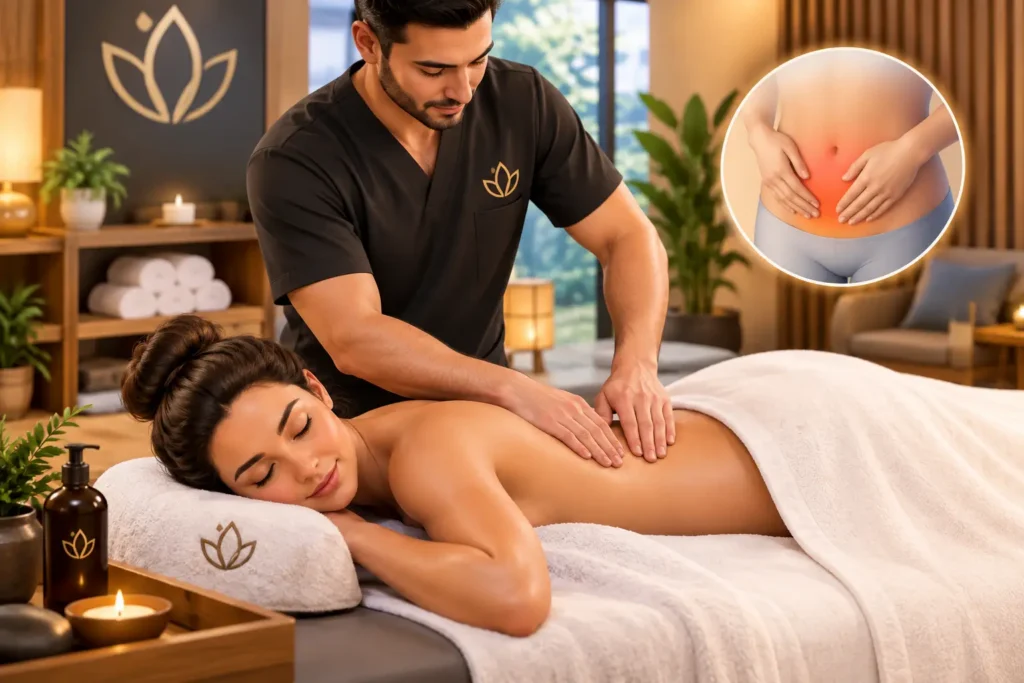
For some people, a gentle massage during their period can be a welcome way to relax when the lower back, hips, or legs feel tense. Light work in those areas, paired with quiet breathing and a comfortable position, may make the experience feel more manageable. Others prefer to avoid massage during that time, or simply want a lighter session.
There is no need to explain more than you are comfortable sharing, but clear communication helps. Tell your therapist that you are experiencing period discomfort, where you feel tense, and whether you prefer to avoid any areas. A professional massage should feel respectful, adaptable, and centered on your boundaries.
If abdominal massage is something you are considering, discuss it before the session begins. Many guests prefer lower-back, hip, leg, or foot work instead, and those areas can still provide a deeply relaxing experience.
What to Expect During a Massage for Cramps
A good session begins with a brief conversation. Share when the discomfort started, which movements make it feel better or worse, and the amount of pressure you normally enjoy. Small details help your therapist create a more thoughtful plan.
During the massage, speak up early rather than waiting until pressure feels like too much. Useful feedback can be as simple as saying, “lighter there,” “that feels good,” or “please spend more time on my calves.” Your therapist can make adjustments in real time, including changing techniques, moving to surrounding muscles, or focusing on full-body relaxation instead.
Afterward, give yourself a few quiet minutes before rushing back to the beach, dinner, or the next activity. Drink water if you would like it, move gently, and notice how your body feels. A massage is often most enjoyable when you allow the relaxed feeling to last rather than immediately returning to a packed schedule.
When to Pause and Get Guidance First
Massage is best saved for ordinary muscle tightness and everyday discomfort, not situations that feel unusual, severe, or concerning. If a cramp comes with significant swelling, redness, heat, numbness, weakness, an unexplained change in how you feel, or pain that is sudden and severe, pause before booking bodywork and seek guidance from a qualified healthcare professional.
The same goes for discomfort after a recent procedure, a new accident, or a situation where you have been told to avoid massage. Being cautious is not missing out on self-care. It is part of choosing the right care at the right time.
Make Your Massage Work for Your Plans
If you are visiting Cancun, consider booking your massage after your most active day rather than squeezing it in immediately before a high-energy excursion. If you live locally, regular sessions can be tailored around your work schedule, training routine, and preferred level of pressure. Couples can also choose a shared spa experience while each person receives a treatment suited to their own needs.
At Matrix Spa & Massage Cancun, personalized care starts with listening. Whether you are looking for calming Swedish massage, focused sports massage, or a warm, restorative spa treatment, let your therapist know that cramps or muscle tightness are part of the conversation. Book an appointment when you are ready to give your body a quieter, more comfortable moment.
Through the expertise of our caring, confident, and competent therapists, we will enhance your experience of the healing art of intuitive spa & massage in Cancun.