
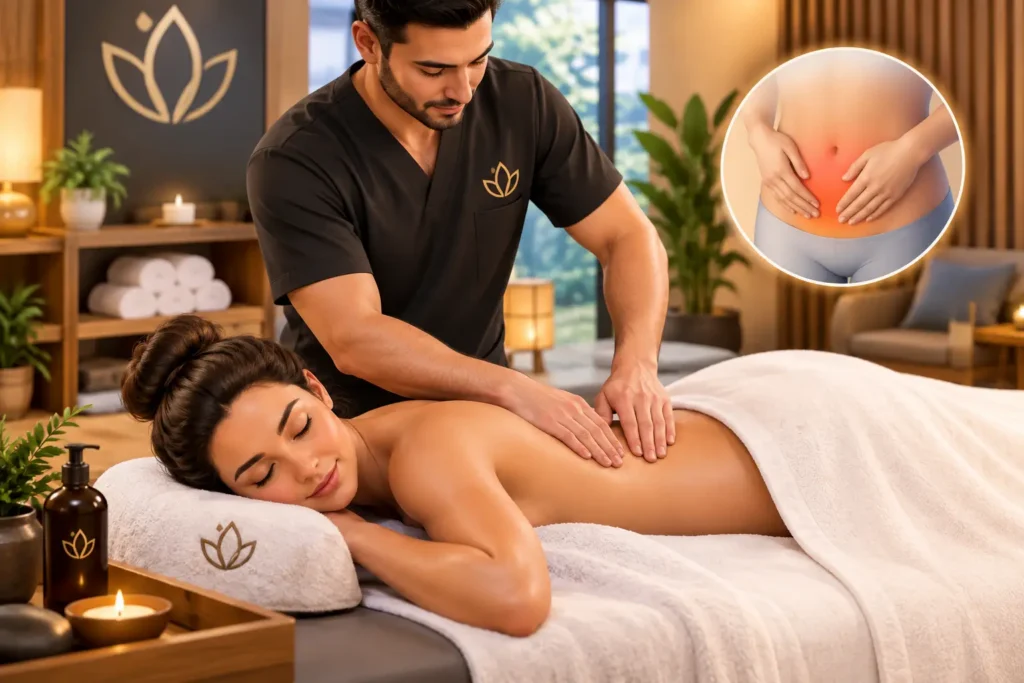
Is Massage Good for Cramps? What to Know
A calf cramp after a long flight, tight legs after a day of walking Cancun, or lower-back tension during your period can put a real dent in plans that were meant to feel easy. So, is massage good for cramps? Often, gentle and well-timed massage can feel deeply soothing for everyday muscle tightness and cramp-related discomfort. The best approach depends on where the cramp is, how intense it feels, and what your body is asking for in that moment.
Is Massage Good for Cramps? The Short Answer
Massage can be a helpful comfort measure for many common cramps, especially when muscles feel tight, tired, or overworked. Slow pressure, warmth, and relaxed movement may help the area feel less guarded and more comfortable. For travelers, that can be especially welcome after sitting for hours, carrying luggage, swimming, walking, or enjoying an active excursion.
The key is to keep the massage appropriate to the moment. A cramp that feels sharp or very tender does not need forceful pressure. Gentle contact around the area, followed by gradual work as the muscle relaxes, is usually more comfortable than trying to push through pain. A skilled massage therapist can adjust pressure, pace, and focus based on your feedback throughout the session.
Massage is not a one-size-fits-all answer. Some people want light Swedish massage and a quiet hour to reset. Others feel better with focused work on the calves, feet, hips, or lower back after activity. Your comfort should lead the session.
Why Cramps Can Feel Better With Massage
A cramp is often experienced as a sudden tightening or knotting sensation in a muscle. Even after the strongest part passes, the area can stay sore, stiff, or cautious for a while. Massage creates an opportunity to slow down, breathe, and give that tense area more attention.
Gentle kneading and broad, steady strokes can feel calming when a muscle is simply fatigued. Work on the surrounding tissues may also be useful. For example, calf tightness can be connected to how the feet and lower legs have been working all day, while lower-back discomfort may feel more manageable when the glutes and hips are addressed with care.
There is also a practical relaxation benefit. Stress can make the whole body feel braced, which is not ideal when you are already uncomfortable. A calm massage setting, comfortable positioning, and a therapist who checks in regularly can help you settle physically and mentally. That does not mean every cramp disappears during one session, but it can make the body feel more at ease.
Choosing the Right Massage for Cramp Discomfort
The best massage style is not necessarily the strongest one. For cramp-related tightness, a personalized session often makes more sense than requesting intense pressure from the start.
Swedish Massage for Gentle Relief
Swedish massage is a natural choice when you feel generally tight, tired, or stressed. Long, flowing strokes and lighter-to-moderate pressure can help you relax without overwhelming a sensitive muscle. It works well for travelers who want to recover from a flight or a full day on their feet while still enjoying a restorative spa experience.
Sports Massage for Active Days
If your discomfort followed a workout, a long walk, cycling, swimming, or another active day, sports massage may be a better fit. The session can be tailored to the muscle groups you used most, with attention to the legs, feet, hips, shoulders, or back. The goal is not to make the session punishing. It is to support a more comfortable recovery experience with focused, responsive bodywork.
Deep Tissue Massage Requires Good Timing
Deep tissue massage can be valuable for persistent areas of muscular tightness, but it is not always the right choice during an active cramp or when a spot is highly tender. More pressure is not automatically more effective. Let your therapist know exactly what you are feeling, and be open to starting lighter. A therapist can use slower, targeted techniques when they are appropriate and move away from any area that does not feel right.
Warmth and Relaxation Can Add Comfort
Some guests find that a warm, relaxing treatment helps tight muscles feel more receptive to massage. Hot stone massage may be a lovely option when you are looking for warmth along with an unhurried, calming session. The experience should always feel comfortable, never too hot or too intense.
Massage for Period Cramps: A Gentle, Personal Choice
For some people, a gentle massage during their period can be a welcome way to relax when the lower back, hips, or legs feel tense. Light work in those areas, paired with quiet breathing and a comfortable position, may make the experience feel more manageable. Others prefer to avoid massage during that time, or simply want a lighter session.
There is no need to explain more than you are comfortable sharing, but clear communication helps. Tell your therapist that you are experiencing period discomfort, where you feel tense, and whether you prefer to avoid any areas. A professional massage should feel respectful, adaptable, and centered on your boundaries.
If abdominal massage is something you are considering, discuss it before the session begins. Many guests prefer lower-back, hip, leg, or foot work instead, and those areas can still provide a deeply relaxing experience.
What to Expect During a Massage for Cramps
A good session begins with a brief conversation. Share when the discomfort started, which movements make it feel better or worse, and the amount of pressure you normally enjoy. Small details help your therapist create a more thoughtful plan.
During the massage, speak up early rather than waiting until pressure feels like too much. Useful feedback can be as simple as saying, “lighter there,” “that feels good,” or “please spend more time on my calves.” Your therapist can make adjustments in real time, including changing techniques, moving to surrounding muscles, or focusing on full-body relaxation instead.
Afterward, give yourself a few quiet minutes before rushing back to the beach, dinner, or the next activity. Drink water if you would like it, move gently, and notice how your body feels. A massage is often most enjoyable when you allow the relaxed feeling to last rather than immediately returning to a packed schedule.
When to Pause and Get Guidance First
Massage is best saved for ordinary muscle tightness and everyday discomfort, not situations that feel unusual, severe, or concerning. If a cramp comes with significant swelling, redness, heat, numbness, weakness, an unexplained change in how you feel, or pain that is sudden and severe, pause before booking bodywork and seek guidance from a qualified healthcare professional.
The same goes for discomfort after a recent procedure, a new accident, or a situation where you have been told to avoid massage. Being cautious is not missing out on self-care. It is part of choosing the right care at the right time.
Make Your Massage Work for Your Plans
If you are visiting Cancun, consider booking your massage after your most active day rather than squeezing it in immediately before a high-energy excursion. If you live locally, regular sessions can be tailored around your work schedule, training routine, and preferred level of pressure. Couples can also choose a shared spa experience while each person receives a treatment suited to their own needs.
At Matrix Spa & Massage Cancun, personalized care starts with listening. Whether you are looking for calming Swedish massage, focused sports massage, or a warm, restorative spa treatment, let your therapist know that cramps or muscle tightness are part of the conversation. Book an appointment when you are ready to give your body a quieter, more comfortable moment.