
NO WALK INS - All Matrix Spa & Massage services by appointment only.
Appointments need to be scheduled with a minimum 2 hours notice.

Archive for October, 2026

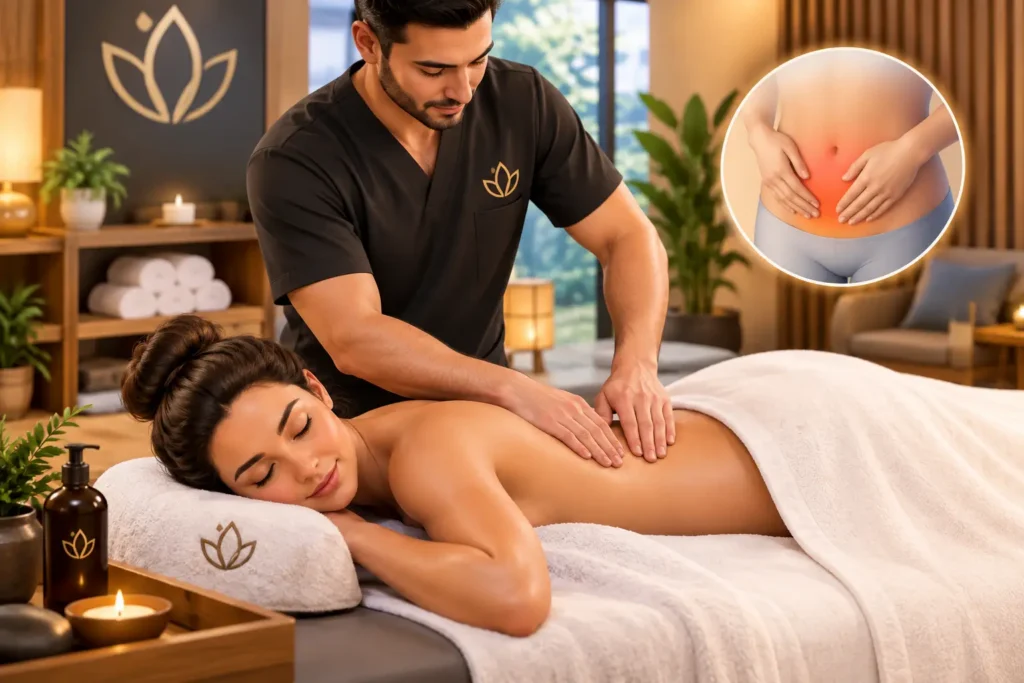
Is Massage Good for Cramps? What to Know

Is Massage Good for Cramps? What to Know

A calf cramp after a long flight, tight legs after a day of walking Cancun, or lower-back tension during your period can put a real dent in plans that were meant to feel easy. So, is massage good for cramps? Often, gentle and well-timed massage can feel deeply soothing for everyday muscle tightness and cramp-related discomfort. The best approach depends on where the cramp is, how intense it feels, and what your body is asking for in that moment.

Is Massage Good for Cramps? The Short Answer

Massage can be a helpful comfort measure for many common cramps, especially when muscles feel tight, tired, or overworked. Slow pressure, warmth, and relaxed movement may help the area feel less guarded and more comfortable. For travelers, that can be especially welcome after sitting for hours, carrying luggage, swimming, walking, or enjoying an active excursion.

The key is to keep the massage appropriate to the moment. A cramp that feels sharp or very tender does not need forceful pressure. Gentle contact around the area, followed by gradual work as the muscle relaxes, is usually more comfortable than trying to push through pain. A skilled massage therapist can adjust pressure, pace, and focus based on your feedback throughout the session.

Massage is not a one-size-fits-all answer. Some people want light Swedish massage and a quiet hour to reset. Others feel better with focused work on the calves, feet, hips, or lower back after activity. Your comfort should lead the session.

Why Cramps Can Feel Better With Massage

A cramp is often experienced as a sudden tightening or knotting sensation in a muscle. Even after the strongest part passes, the area can stay sore, stiff, or cautious for a while. Massage creates an opportunity to slow down, breathe, and give that tense area more attention.

Gentle kneading and broad, steady strokes can feel calming when a muscle is simply fatigued. Work on the surrounding tissues may also be useful. For example, calf tightness can be connected to how the feet and lower legs have been working all day, while lower-back discomfort may feel more manageable when the glutes and hips are addressed with care.

There is also a practical relaxation benefit. Stress can make the whole body feel braced, which is not ideal when you are already uncomfortable. A calm massage setting, comfortable positioning, and a therapist who checks in regularly can help you settle physically and mentally. That does not mean every cramp disappears during one session, but it can make the body feel more at ease.

Choosing the Right Massage for Cramp Discomfort

The best massage style is not necessarily the strongest one. For cramp-related tightness, a personalized session often makes more sense than requesting intense pressure from the start.

Swedish Massage for Gentle Relief

Swedish massage is a natural choice when you feel generally tight, tired, or stressed. Long, flowing strokes and lighter-to-moderate pressure can help you relax without overwhelming a sensitive muscle. It works well for travelers who want to recover from a flight or a full day on their feet while still enjoying a restorative spa experience.

Sports Massage for Active Days

If your discomfort followed a workout, a long walk, cycling, swimming, or another active day, sports massage may be a better fit. The session can be tailored to the muscle groups you used most, with attention to the legs, feet, hips, shoulders, or back. The goal is not to make the session punishing. It is to support a more comfortable recovery experience with focused, responsive bodywork.

Deep Tissue Massage Requires Good Timing

Deep tissue massage can be valuable for persistent areas of muscular tightness, but it is not always the right choice during an active cramp or when a spot is highly tender. More pressure is not automatically more effective. Let your therapist know exactly what you are feeling, and be open to starting lighter. A therapist can use slower, targeted techniques when they are appropriate and move away from any area that does not feel right.

Warmth and Relaxation Can Add Comfort

Some guests find that a warm, relaxing treatment helps tight muscles feel more receptive to massage. Hot stone massage may be a lovely option when you are looking for warmth along with an unhurried, calming session. The experience should always feel comfortable, never too hot or too intense.

Massage for Period Cramps: A Gentle, Personal Choice

For some people, a gentle massage during their period can be a welcome way to relax when the lower back, hips, or legs feel tense. Light work in those areas, paired with quiet breathing and a comfortable position, may make the experience feel more manageable. Others prefer to avoid massage during that time, or simply want a lighter session.

There is no need to explain more than you are comfortable sharing, but clear communication helps. Tell your therapist that you are experiencing period discomfort, where you feel tense, and whether you prefer to avoid any areas. A professional massage should feel respectful, adaptable, and centered on your boundaries.

If abdominal massage is something you are considering, discuss it before the session begins. Many guests prefer lower-back, hip, leg, or foot work instead, and those areas can still provide a deeply relaxing experience.

What to Expect During a Massage for Cramps

A good session begins with a brief conversation. Share when the discomfort started, which movements make it feel better or worse, and the amount of pressure you normally enjoy. Small details help your therapist create a more thoughtful plan.

During the massage, speak up early rather than waiting until pressure feels like too much. Useful feedback can be as simple as saying, “lighter there,” “that feels good,” or “please spend more time on my calves.” Your therapist can make adjustments in real time, including changing techniques, moving to surrounding muscles, or focusing on full-body relaxation instead.

Afterward, give yourself a few quiet minutes before rushing back to the beach, dinner, or the next activity. Drink water if you would like it, move gently, and notice how your body feels. A massage is often most enjoyable when you allow the relaxed feeling to last rather than immediately returning to a packed schedule.

When to Pause and Get Guidance First

Massage is best saved for ordinary muscle tightness and everyday discomfort, not situations that feel unusual, severe, or concerning. If a cramp comes with significant swelling, redness, heat, numbness, weakness, an unexplained change in how you feel, or pain that is sudden and severe, pause before booking bodywork and seek guidance from a qualified healthcare professional.

The same goes for discomfort after a recent procedure, a new accident, or a situation where you have been told to avoid massage. Being cautious is not missing out on self-care. It is part of choosing the right care at the right time.

Make Your Massage Work for Your Plans

If you are visiting Cancun, consider booking your massage after your most active day rather than squeezing it in immediately before a high-energy excursion. If you live locally, regular sessions can be tailored around your work schedule, training routine, and preferred level of pressure. Couples can also choose a shared spa experience while each person receives a treatment suited to their own needs.

At Matrix Spa & Massage Cancun, personalized care starts with listening. Whether you are looking for calming Swedish massage, focused sports massage, or a warm, restorative spa treatment, let your therapist know that cramps or muscle tightness are part of the conversation. Book an appointment when you are ready to give your body a quieter, more comfortable moment.

Massage After Sunburn: When Can You Safely Book?

Massage After Sunburn: When Can You Safely Book?

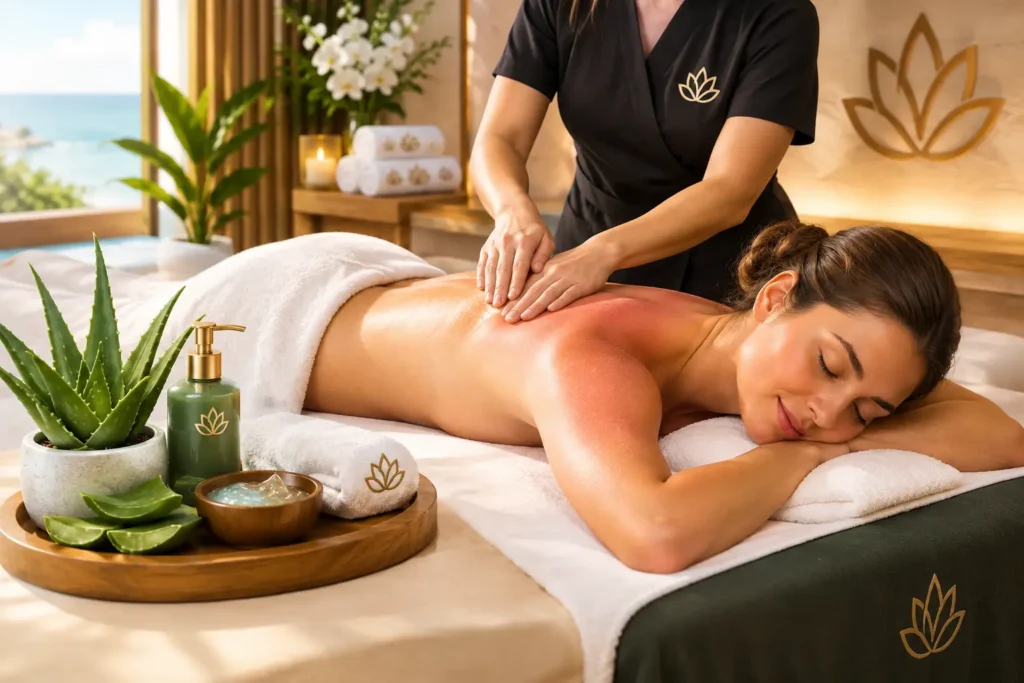
A beautiful Cancun beach day can leave you feeling wonderfully relaxed – until you notice that familiar warmth and tenderness across your shoulders, back, or legs. If you are considering a massage after sunburn, timing matters. The right choice is usually to give irritated skin time to settle before scheduling hands-on bodywork.

Massage is meant to feel restorative, not like one more source of discomfort. A professional therapist can adapt pressure, positioning, and focus areas to your needs, but sun-exposed skin deserves extra care. Knowing when to wait and how to communicate your condition helps make your next spa visit comfortable from the first moment.

Can You Get a Massage After Sunburn?

It depends on how your skin feels and looks on the day of your appointment. If an area is hot, red, tender, peeling, or uncomfortable when clothing touches it, it is best not to have that area massaged. Even light, relaxing strokes and massage lotion can feel unpleasant on sensitized skin.

A massage after sunburn is generally a better idea once the skin has returned to its usual, comfortable state. There should be no lingering heat, soreness, sensitivity, or peeling in the area that will be touched. This is especially relevant after long hours at the beach, a catamaran outing, snorkeling, or exploring Cancun under strong midday sun.

Waiting can be disappointing when vacation time is limited. Still, a massage should be an opportunity to rest your body, not to endure pressure while hoping the session will be over soon. A day or two of patience may lead to a far more enjoyable experience.

When You Should Reschedule

Rescheduling is the considerate choice when your skin is visibly irritated or you feel discomfort at rest. Blistered skin, widespread tenderness, swelling, chills, or feeling unwell are clear reasons to skip a massage and get appropriate guidance before returning to spa services.

You may also want to wait if sun exposure has left only one area uncomfortable. For example, a tender back and shoulders can make it difficult to lie face down, while sun-sensitive legs can make even a gentle full-body session less relaxing. There is no prize for pushing through discomfort on vacation.

If you have an appointment, contact the spa as soon as possible and describe what is happening. Clear communication gives your therapist the chance to recommend whether a later appointment or a modified service makes more sense.

Why Pressure and Heat Are Not a Good Match for Tender Skin

Massage works through intentional touch, movement, and pressure. On normal skin, those techniques may feel calming and help you unwind after travel, swimming, walking, or a busy excursion. On skin that is still reacting to too much sun, the same techniques can simply feel too intense.

Deep tissue work, sports massage, hot stone massage, vigorous exfoliation, cupping, and strong friction are not suitable choices over recently sunburned areas. Heat is also best avoided when skin already feels warm. This is not the time to book the most intense treatment on the menu because you feel stiff from your flight or day at the beach.

That does not mean your entire wellness plan has to disappear. If the affected area is small and all other areas feel completely normal, ask whether a personalized session can focus elsewhere. A therapist may be able to work on areas that are unaffected while avoiding sensitive skin, provided you are otherwise comfortable and the plan is discussed before the session begins.

What to Do Before Your Spa Appointment

The simplest preparation is to check in with your body honestly. Do not judge readiness by whether the redness has faded slightly. Think about how your skin feels when you shower, put on a shirt, rest against a chair, or apply a gentle moisturizer. If those everyday sensations are still uncomfortable, massage can wait.

Keep your skin protected from additional sun exposure, choose loose and comfortable clothing, and avoid testing new fragranced products before your appointment. Your skin may be more reactive than usual, and a spa day is better when there are no surprises.

Hydration is helpful after time outdoors, particularly in Cancun’s warm climate. Drink water through the day and take a break from long periods in direct sun. If you are enjoying cocktails by the pool, remember that a massage is often more pleasant when you arrive rested, hydrated, and clear-headed.

Most importantly, tell your therapist about any recent sun exposure before the treatment begins. Point out every sensitive area, even if it seems minor. A good massage experience is built on that conversation: where you want attention, what pressure you prefer, and what areas need to be left alone.

Choosing the Right Massage Once Your Skin Feels Normal

When your skin is comfortable again, your choice of massage can return to what you actually came for. Perhaps you want a gentle Swedish massage after travel, focused bodywork for tired legs after sightseeing, or a couples massage that gives you and your partner a quiet pause in your Cancun plans.

The best service depends on your energy level and goals. A relaxing Swedish massage is often a lovely fit when you want to decompress. Deeper work can be appropriate for guests who enjoy firmer pressure and whose skin is fully recovered, while reflexology can be a thoughtful option for people who have spent days on their feet.

There is no need to guess. Share how active you have been, whether you prefer light or firm pressure, and whether any areas still feel sensitive. Personalized care is more valuable than choosing a modality solely by name.

A Quick Note About Facials and Body Treatments

The same caution applies to facial services and body treatments. Freshly sun-exposed facial skin may not be ready for exfoliation, heat, active products, or extended touch. Let your esthetician know if you spent the day outdoors or if your face feels tight, warm, or tender.

Waiting until skin feels calm can make the eventual treatment much more pleasant. When you are ready, a professional can help select an experience that suits your comfort level and your vacation schedule.

Plan Your Beach Days Around Your Massage

One smart vacation habit is to schedule your massage before your biggest beach day rather than after it. A morning or afternoon massage can set a slower, more relaxed pace for the rest of the day, while sun, swimming, and outdoor activities can be saved for another time.

If you have already booked a massage later in the trip, treat sun protection as part of protecting that reservation. Seek shade during peak hours, reapply sunscreen as directed, and cover up when you can. Cancun is made for enjoying the outdoors, but a little planning helps you enjoy both the beach and the spa without choosing between them.

At Matrix Spa & Massage Cancun, the goal is never to force a one-size-fits-all treatment. Your comfort comes first, and a brief conversation before your appointment can help shape a session that feels genuinely relaxing. If you are unsure whether your skin is ready, call before you book or before you arrive.

The best massage is the one you can fully enjoy: skin comfortable, body rested, and nothing demanding your attention except the welcome chance to slow down.

CONTACT US

Matrix Spa & Massage Cancun
Calle Acanceh Supermanzana
15A MZA 3 LTE 3, 77505
Suite 17
CancĂșn, Q.R., Mexico

801-243-7918 (Main Line)
998-254-9333 (Land Line)
555-807-4210 (Local Cell)

Contact Us

Find Us on Map

MatrixMassageCancun.com

HOURS OF OPERATION

Monday - Friday
9:00 AM - 8:00 PM

Saturday
11:00 AM - 7:00 PM

Sunday
11:00 AM - 6:00 PM


ABOUT US

Through the expertise of our caring, confident, and competent therapists, we will enhance your experience of the healing art of intuitive spa & massage in Cancun.

Matrix Massage Goldman Sachs 10000 Small Business Alumni

Translate our Site

Matrix Massage Cancun